


Millions of people are unknowingly living with high Lp(a) levels
This genetic form of cholesterol silently increases the risk of heart disease and stroke often without any symptoms.
Our mission is to turn awareness about Lp(a) into action
You’ve probably heard of LDL cholesterol, often called the “bad” cholesterol. But what do you know about Lp(a), pronounced L-P little a? An elevated Lp(a) level or high lipoprotein(a) concentration is one of the most important, yet often overlooked, risk factors for cardiovascular disease.
Many people don’t realize that their Lp(a) level is genetically determined and that this can significantly increase their risk of heart attack or stroke – even with a healthy lifestyle and normal cholesterol levels.
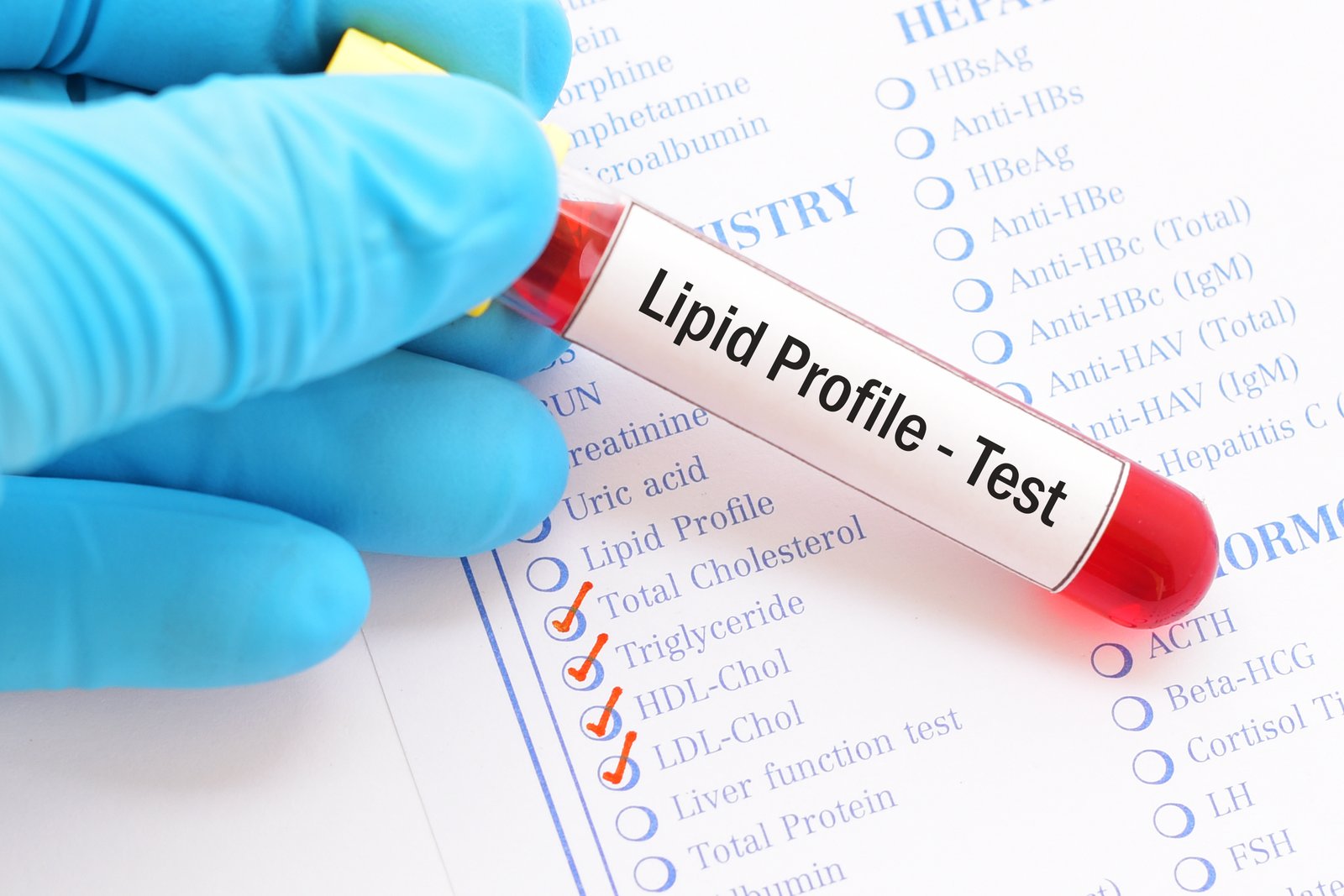
Lp(a) is a specific type of lipoprotein that transports cholesterol through the bloodstream. When Lp(a) levels are too high, it can lead to plaque build-up in the arteries (atherosclerosis), heart attacks or strokes. Because Lp(a) is not influenced by diet, exercise, or lifestyle, it is important to measure your Lp(a) value with a simple blood test and assess your genetic risk early on.
On this platform, we share reliable and science-based information about lipoprotein(a) and its impact on heart health. Here you’ll find:
- What exactly is Lp(a) and why it is important to know your value?
- Why is Lp(a) genetic and what does that mean for your personal risk?
- Which symptoms or conditions can indicate high Lp(a)?
- How does an Lp(a) blood test work and when should you consider getting tested?
- What can you do if your Lp(a) level turns out to be high?
- What are the latest insights, studies, and treatments related to Lp(a)?
We help you understand your personal cardiovascular risk and show how early detection and proactive monitoring can lead to a longer, healthier life.
Find a cardiologist nearby
A cardiologist can help determine your Lp(a) level, assess your genetic risk for heart disease, and create a personalized treatment or prevention plan. We make it easy for you to find a cardiology clinic or specialist near you with experience in Lp(a), diagnostics and cholesterol management.
Please Note: A referral from your General Practitioner is usually required to visit a cardiologist. Go well-prepared to your GP appointment, use our Lp(a) checklist to discuss whether further examination is relevant for you.
Elevated Lp(a) is often underestimated
A high Lp(a) level is often overlooked, even though it is a major hereditary risk factor for heart disease and stroke. You usually won’t notice any symptoms, but elevated Lp(a) can lead to atherosclerosis, heart attacks, or strokes and even in people with a healthy lifestyle and normal cholesterol.
Because Lp(a) is not affected by diet, exercise, or medication, it’s important to know your level. Don’t simply accept that heart disease “runs in the family” – it could be due to elevated Lp(a).
Discuss your risk with your GP and if needed, request an Lp(a) blood test. This helps you understand your genetic risk profile and create a personal prevention plan. Use our Lp(a) Checklist (link, see bottom of the page) to prepare for your GP appointment and ask the right questions about your heart health.
Learn more about Lp(a)
We hope the information provided on our platform has helped you gain a deeper understanding of Lp(a) and its role as a genetic risk factor for cardiovascular disease.
If you have questions about Lp(a), blood testing, or cholesterol management, we invite you to explore more through our LinkedIn and YouTube channels, where you’ll find expert insights and educational videos.
You’re also welcome to email us with your question or comment - our team will be happy to assist you.
Latest News

Frequently Asked Questions
Below you’ll find the most frequently asked questions, clearly explained and supported by reliable sources.
Most international guidelines consider an Lp(a) level below 30 mg/dL (≈ 75 nmol/L) to indicate low risk. A value above 50 mg/dL (≈ 125 nmol/L) is regarded as elevated and increases the likelihood of cardiovascular disease.
Because Lp(a) is genetically determined, your level usually remains stable throughout life — meaning a single measurement is often enough to understand your long-term risk.
No. Your Lp(a) level is determined by your genes and does not change through diet, exercise, or supplements. However, you can improve your overall heart health by adopting a healthy lifestyle.
A Mediterranean-style diet, rich in vegetables, fruit, whole grains, nuts, fish, and olive oil helps keep your blood vessels healthy and lowers LDL cholesterol, which can compensate for part of the increased risk associated with high Lp(a).
Testing children for Lp(a) can be worthwhile, particularly if early heart disease runs in your family or if you have a high Lp(a) level yourself.
Since Lp(a) is passed down through families, children often share similar levels. One test early in life is typically enough, because the value stays constant over time.
Yes. Even if your LDL cholesterol is low, an elevated Lp(a) level can still increase your risk of cardiovascular disease. Lp(a) can cause inflammation, arterial calcification, and blood clots, independent of your other cholesterol levels. That’s why it’s considered an independent risk factor for heart and vascular disease.
In most cases, a single measurement in your lifetime is sufficient, since your Lp(a) level is genetically determined and remains stable. Repeat testing is only necessary if you participate in a clinical study or if new, more accurate test methods become available.
An elevated Lp(a) level can contribute to:
- Atherosclerosis (hardening and narrowing of the arteries)
- Increased risk of blood clots (thrombosis)
- Heart attack, stroke, or aortic valve stenosis
Even with a healthy lifestyle, your risk may still be higher. That’s why it’s important to keep other risk factors, such as LDL cholesterol, blood pressure, and blood sugar, well under control.
Currently, there are no approved medications that specifically lower Lp(a). However, global research is ongoing into new therapies that target the liver and block the production of Lp(a). Some of these treatments have shown reductions of more than 80% in clinical studies.
In rare cases, lipoprotein apheresis may be used for people with extremely high Lp(a) levels and recurrent cardiovascular problems. This treatment filters Lp(a) from the blood but offers only temporary results.
Not yet everywhere. In Europe, Lp(a) is usually measured only when there is a clear medical indication—for example, in cases of a family history of heart disease or an early heart attack without an obvious cause.
However, more and more experts advocate for Lp(a) to be measured once in every adult’s lifetime as part of routine cardiovascular risk assessment.
You cannot lower your Lp(a) level itself, but you can significantly reduce your overall risk of cardiovascular disease by:
- Keeping your LDL cholesterol as low as possible
- Not smoking
- Following a heart-healthy (Mediterranean) diet
- Getting at least 120 to 150 minutes of exercise per week
- Regularly checking your blood pressure and blood sugar
Maintaining a healthy weight is important for your heart and blood vessels, but it has little to no effect on your Lp(a) level. Lp(a) is genetically determined, which means that even people who are fit, active, and of normal weight can still have elevated levels.
Nevertheless, keeping a healthy weight remains crucial, as it helps reduce other risk factors such as high blood pressure, blood sugar, and LDL cholesterol, thereby lowering your overall cardiovascular risk.
There is no convincing scientific evidence that supplements such as omega-3, niacin, or red yeast rice can permanently lower Lp(a) levels. These supplements mainly affect other blood lipids—such as LDL cholesterol and triglycerides—but have little to no effect on the genetically determined Lp(a) particle.
They may support overall heart health and contribute to a better cholesterol profile, but they are not a targeted solution for elevated Lp(a).
For medical professionals
Are you a healthcare professional looking for more information about Lp(a) and its impact on cardiovascular disease? Visit our professionals website, where we share up-to-date knowledge, scientific research findings, and practical tools on diagnostics, genetic risk factors and preventive cardiology.
Our goal is to enrich knowledge together with healthcare professionals, enabling us to provide even better care and develop innovative solutions for individuals and families affected by elevated Lp(a) levels.
What is Lp(a)?
Lp(a) is hereditary cholesterol that increases your risk of silent atherosclerosis; have your levels tested.

Risks of High Lp(a)
High Lp(a) increases the risk of heart attacks, strokes, and atherosclerosis, often without noticeable symptoms before diagnosis.

Genetic Factors & Family Risk
Lp(a) is entirely hereditary; family history of heart disease may indicate an increased risk, so test promptly now.

 NL - Nederlands
 EN - English
 DE - Deutsch